India is a beautiful landmass surrounded by ocean on three sides. It is also the oldest one as its peninsular part was a part of the Gondwana Land. Its has vast variations of landforms and has unique geo-physical characteristics. Its long coastline justifies the naming of an ocean on it. Acquiring only 2% of the total landmass of the world, it supports 16% of the whole world population. And with all of this, it has one more characteristic, it is a “DISASTER PRONE” country. BIG WORD…..
So, what is a Disaster? The word Disaster has its origins from the latin word ‘destruere’ meaning “ill-starred event”. It can be defined as a sudden disruption which cause great loss of life and property.Development is good, but the truth is , developing countries suffer the greatest losses when a disaster hits. The disasters which occur due to natural processes are called natural disasters. Some of te deadliest mother nature’s phenomena include Earthquakes, landslides, tsunamis etc.
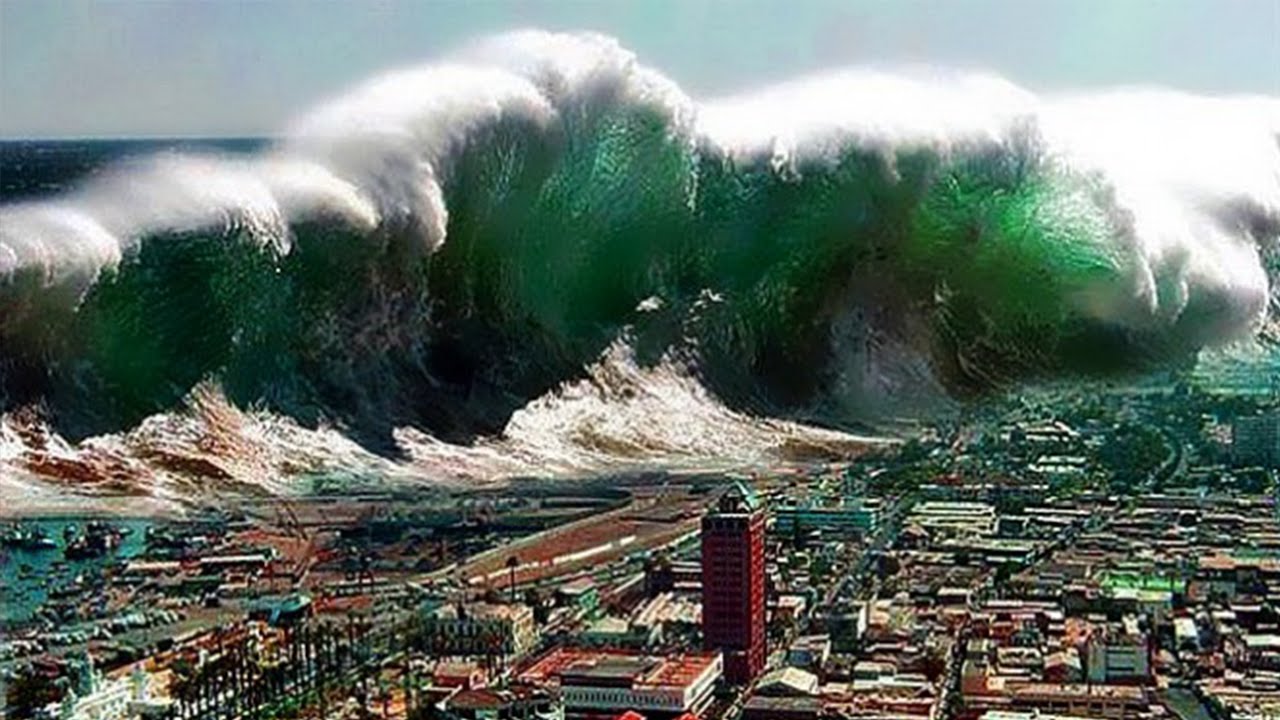
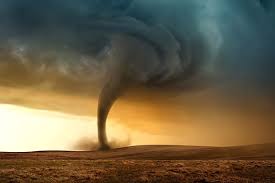
The destruction caused due to natural disasters are about 20 times greater in developing countries than in industrialized countries. But are disaster always mother nature’s anger?
NO. A BIG NO.
Sometimes, humans cross their limits too. The disasters which are instigated by humans are called MAN-MADE DISASTERS. People who think that violence is the only way to fulfill their needs often trigger these attacks [like terrorists]. for example, the september 2001 attack on the world trade centre jolted the whole world.
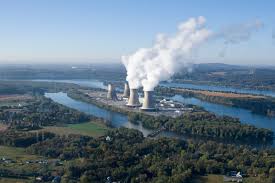

Therefore ,from the aforementioned points we say that-

Every year, these disasters come without any warning and result in huge economic losses and loss of lives.
Between 2000 and 2012, natural disasters caused $1.7 trillion of economic loss and affeted 2.9 billion people.
More than Half of the victims of HURRICANE KATRINA were senior citizens of more than 65 years of age.
Also the rapid increase in the world population has escalated the frequency and severity of disasters. It has also increased the magnitude of destruction caused by them economically and socially.
All this is so depressing.
AS SOON AS WE LEARN SOMETHING, WE SHOULD ACT.
YES , DISASTERS OCCUR IN EVERY COUNTRY, BUT , THE COMMUNITY WHICH IS PREPARED TO FACE THEM BETTER, SURVIVES BETTER.
Look at the story below-
Partho was a 25 year old boy. He lived in a low lying area on the coast of Odissa. One day an Earthquake hit them. He figured out that although the magnitude of the earthquake was less, it could cause great damage in the foreseeable future. He became well informed about such disasters and started collecting all the arrangements which could be needed in the times of emergency. Everyone including his family considered him a fool. After about a month, an earthquake hit Odissa, Partho quickly shifted his family to a high-lying area and took all the supplies which he had been collecting. Partho was correct. Soon after, a Tsunami with waves about 10 feet high emerged. He had saved his family’s life.
In the above story, what do you think saved Partho and his family? This is called PREPAREDNESS .
‘Disaster Preparedness’ are steps taken to cope up with a disaster so as to mitigate its impact. They help to respond and cope up effectively with their consequences.
The golden rule for successful disaster preparedness at all levels includes increasing our awareness, making action plans and practice them.
Thinking what to do next when a disaster hits and when you are standing inside a shaking building with all other objects flying around you is a BAD IDEA. you are posing a great danger to your life by doing this.
Some of the measures we can take at a personal level are—
- As individuals and families, we should increase our awareness , get educated and stay informed.
- keep in contact with the local authorities.
- Be ready with evacuation plans. Stay informed about agencies and their roles.
- Be ready for all types of disasters. Prepare an emergency plan for all types of risk scenarios.
PREPAREDNESS AS A NATION:

We need different plans for different hazards. Now , some of the curious ones among you will be keen to know what a "HAZARD" means. So, HAZARD basically means a potential danger of a disaster.
The central and the state government of India is well equipped of disasters like Cyclone, Floods etc.
Early warning systems are in place, shelters have been built across the coastlines and several other measures.


NGO's i.e NON GOVERNMENT ORGANIZATIONS also aid in this cause. They spread awareness among people via personal interaction and through mass media. They also aid in safety measures like retrofitting. An organization called NDMA i.e National disaster Management Authority was set up in India mainly for Disaster Management.
For the first time, a whole chapter of the tenth five year plan was dedicated to DISASTER MANAGEMENT.
But we are still struggling to cope with disasters like fire etc.
I can give an example from my own life: In Himachal Pradesh, there are many fire related disasters because people keep dry hay outside and moreover, their houses   are made up of wood.
Even after repeated awareness programmes, people refuse to change their habits. These type of issues need personal cooperation to be resolved.
I would like to conclude by saying that it is very easy to blame the government or the situation whenever we face a failure but is it important to always land in the category of failures?
Prevention is better than cure.
to mitigate the impact of such deadly phenomena s, we need community participation, Otherwise, we will end up like always , things in the documents but not on the floor.


 Aditi's Blog